 Rick
Rick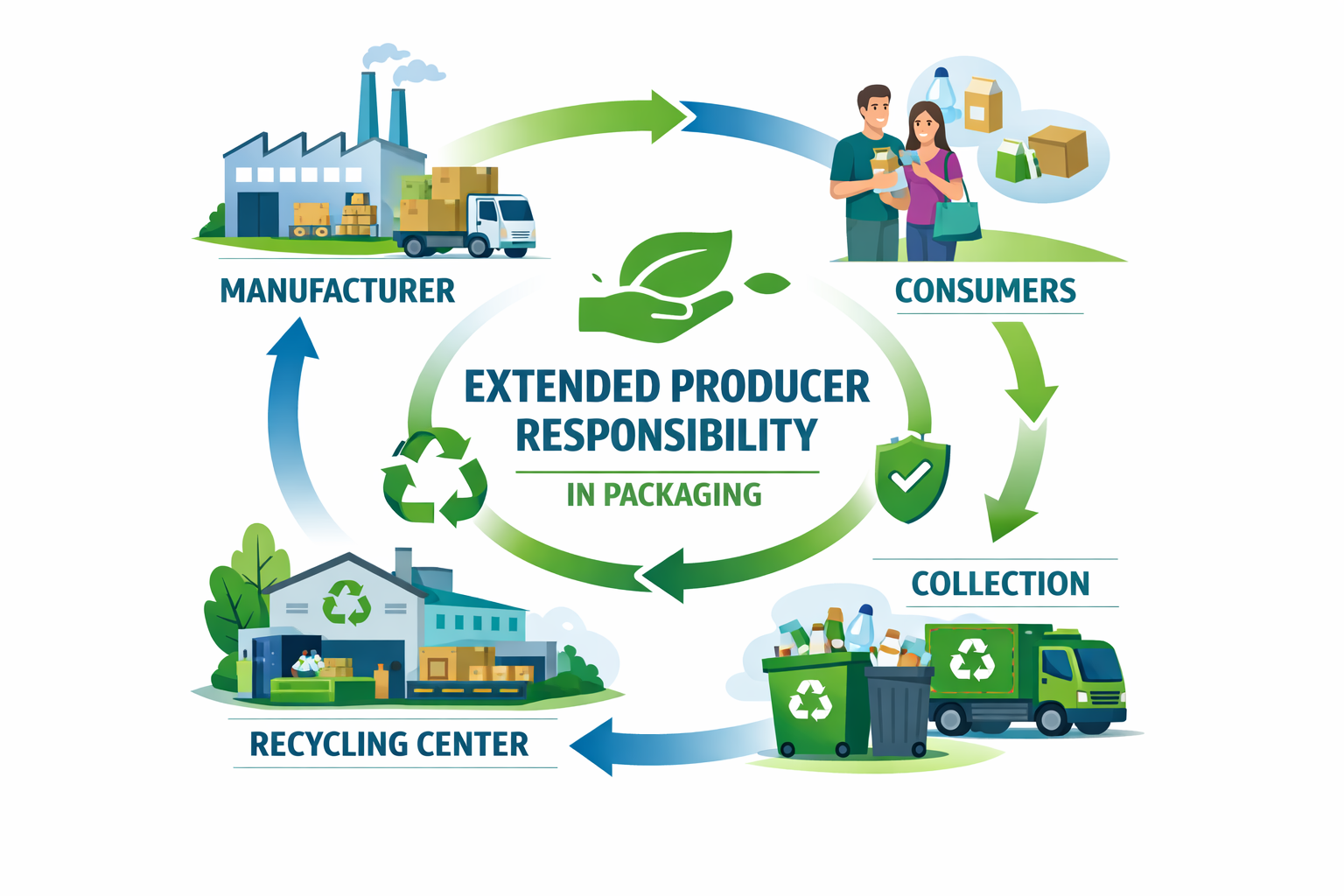
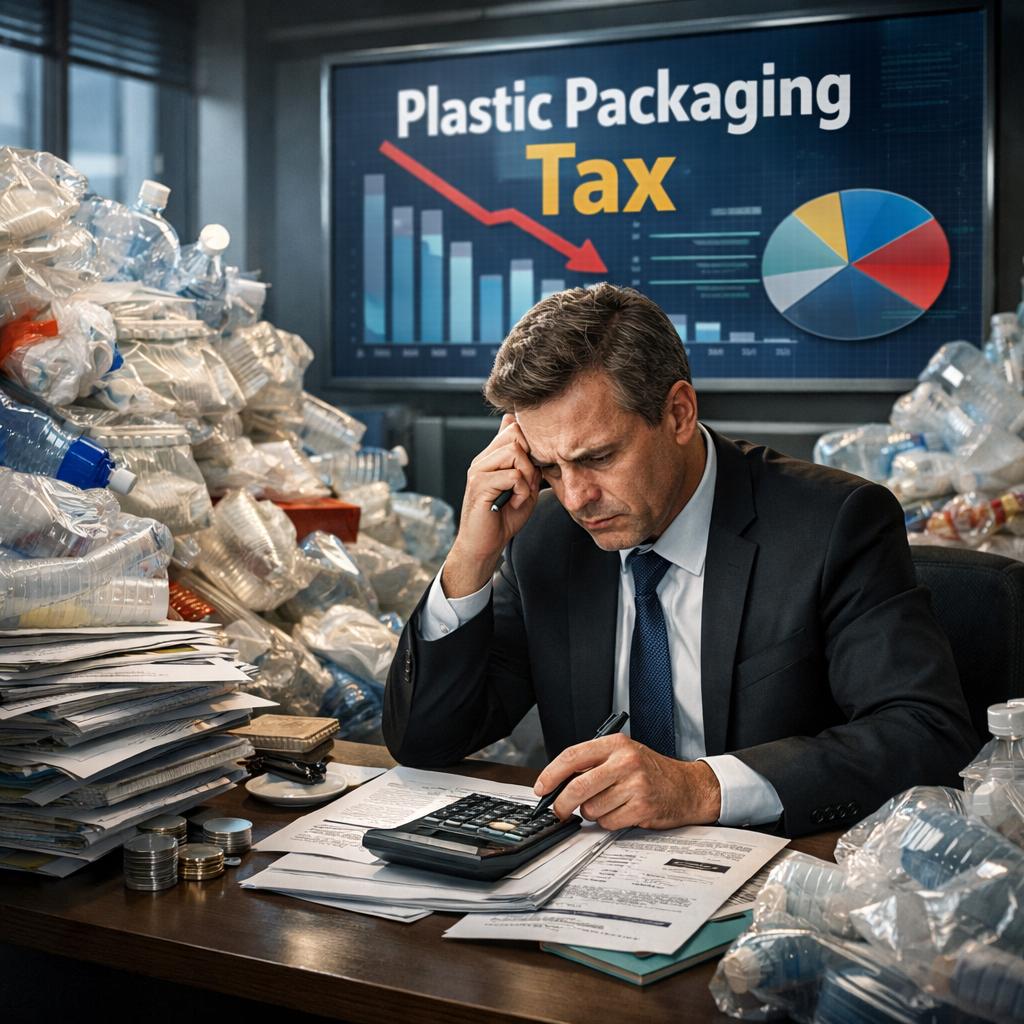
Extended Producer Responsibility, or EPR, has really been getting a lot more attention lately as we head into 2026. Countries and companies are starting to rethink how products are made, used, and—most importantly—disposed of. EPR is quickly becoming a handy tool for making sure manufacturers play a much bigger part in reducing waste from production all the way through to end-of-life recycling. Whether you’re planning for the future or just curious about how these rules could impact you, I’m breaking down what EPR is, how it’s shaping up in 2026, and what to expect going forward.
What is Extended Producer Responsibility in 2026?
The core idea behind EPR is pretty simple. Producers are made to take more responsibility for their products once consumers finish using them. This covers things like collecting used products, recycling materials, or making sure harmful items—think electronics or batteries—are safely dealt with instead of ending up in a landfill. In 2026, EPR schemes cover a seriously wide mix of industries: everything from packaging and electrical goods to textiles and car parts are included.
If you make or sell products, you’re likely expected to handle the parts of a product’s life that used to sit only with the consumer or a city’s waste management system. This isn’t just a local trend; more countries are joining in or updating their rules for EPR in response to global waste problems, climate targets, and the growing demand for greener economies.
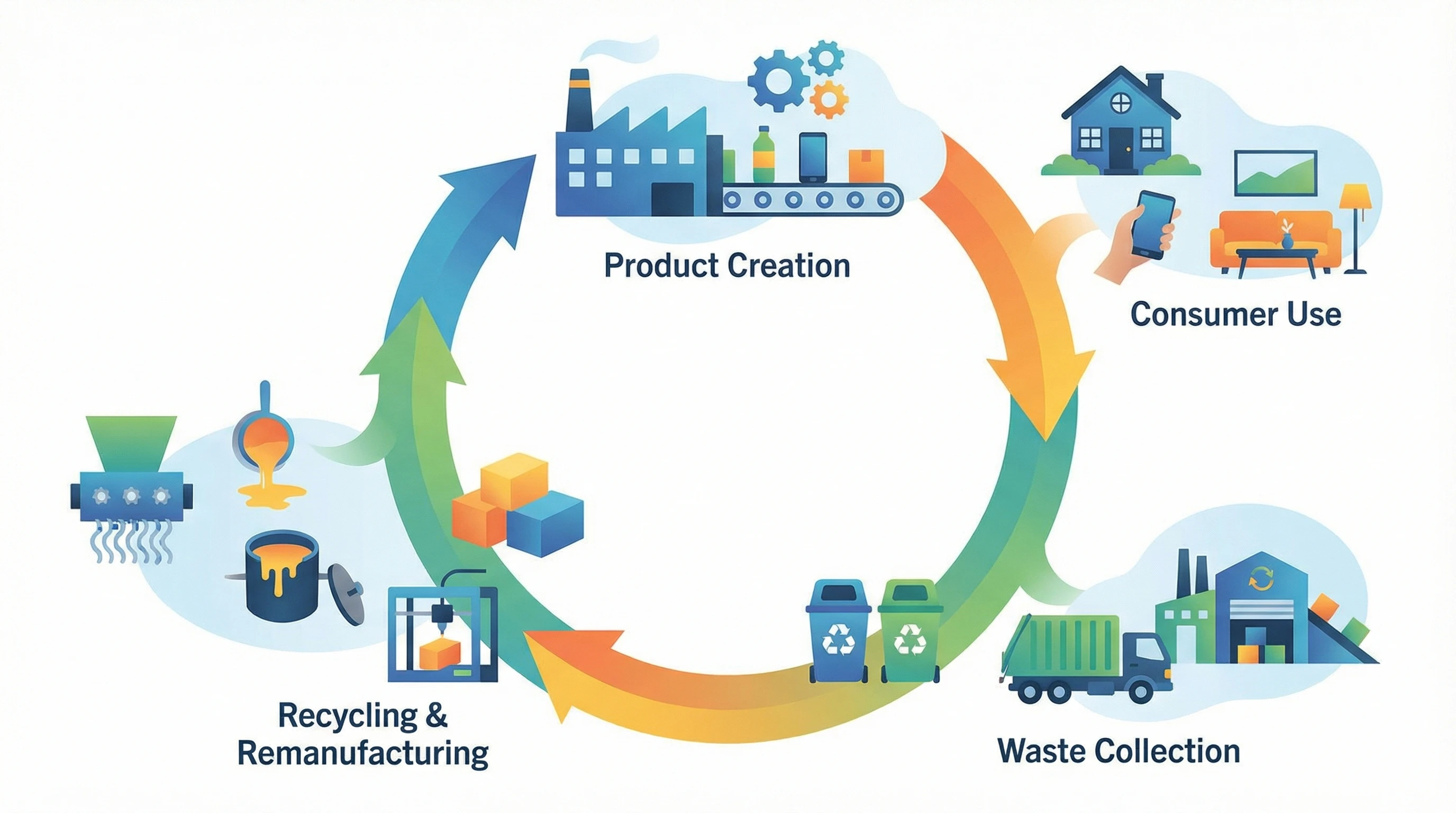
Brands now rethink their designs to use fewer materials, pick more recyclable stuff, and make it easy for customers to return or recycle old products. All this fits neatly into bigger goals of a circular economy—everything designed to be useful at every stage, so nothing goes to waste.
Key Components of EPR Programs
EPR rules in 2026 usually share some common features, even though the details can be different in every country. Here are some elements I notice popping up everywhere:
- Producer Responsibility Schemes: Companies pay fees or manage systems that collect, sort, and process waste from their products.
- Design Requirements: New rules push for more recyclable packaging and easier-to-take-apart electronics.
- Reporting and Transparency: Brands regularly update everyone on how much they’ve sold, collected, and recycled.
- Financial Incentives: There are rewards for companies that hit top recycling or collection goals.
- Consumer Takeback Programs: Stores and portals let customers drop off used items for ecofriendly handling.
These features create feedback loops. Companies track what comes back, what gets reused, and can tweak their next products to make recycling even easier. This is super popular for electronics and plastic packaging, but areas like tires, mattresses, and clothing are now part of EPR plans in many places by 2026.
How EPR Works: A Step-by-Step Look
The details might change by country or industry, but most EPR systems include some version of these steps:
- Product Registration: Producers report what they’re putting on the market (like packages, electronics, or shoes).
- Fee Payment: Companies pay fees—either based on the number of items or their weight. This money goes toward funding national recycling and recovery programs.
- Collection & Sorting: Special bins, takeback points, or return labels help get used products back out of homes and stores.
- Recycling or Disposal: Collected materials get recycled, refurbished, or destroyed safely. Data gets recorded to track every step.
- Reporting Results: Brands say how much they collected and recycled, and these reports often go public so customers and regulators can follow along.
This whole feedback loop encourages companies to build smart products right from the beginning. The less a producer pays in fees or the more they recycle, the better for both their finances and their image.
Pros and Cons of EPR in 2026
No plan is perfect—EPR has both upsides and headaches for producers and consumers. Here’s a quick look at what pops out for me:
- Pros:
– Cuts landfill waste
– Pumps up recycling rates
– Sparks new ecofriendly designs
– Encourages brands to be more accountable - Cons:
– Raises operating costs for companies, sometimes raising prices for customers
– Complex reports and paperwork
– Needs solid infrastructure, which some places still don’t have
The benefits are super important, especially as green issues stay up front and more folks want to support earth-friendly brands. Still, it takes solid planning and help to let small businesses keep pace.
What EPR Means for Different Sectors
The types of EPR programs keep growing. Here are some real-world examples I’ve seen making waves by 2026:
- Electronics (“e-waste”): Old phones and laptops must be easy to take apart, with free dropoff points in stores or prepaid return labels.
- Packaging: Supermarkets offer instore bins for plastic bags and cartons, and brands move toward fully recyclable or compostable materials to keep costs and emissions down.
- Textiles: Clothing brands now collect worn-out clothes in stores or through mail returns, breaking down the old fabric for new designs.
- Automotive: Car companies roll out old tire and battery return stations at dealerships, with plain instructions for drivers on what’s accepted and what happens next.
In each case, EPR pushes companies to rethink how their products impact the planet after the initial sale and encourages shoppers to get involved in the recycling game.
Challenges of EPR Implementation
Despite all the upsides, EPR brings some challenges:
- Different Rules Everywhere: Each country, sometimes even different regions, sets unique requirements, adding paperwork and confusion for international brands.
- Infrastructure Gaps: Plenty of areas lack enough dropoff points or recycling plants, making it tough to meet targets and frustrating for customers.
- Consumer Engagement: If people don’t bring back used stuff or know how to recycle right, even the best EPR plan can fall short.
Solving these issues takes teamwork among governments, businesses, and regular folks. Public awareness pushes and digital tricks—like QR codes on packaging to show recycling spots—are huge for helping things run smoothly in 2026’s best programs.
Best Practices for Complying with EPR in 2026
If you run a business or manage a supply chain, getting ready for EPR now saves stress later. Here are useful tips for staying ahead:
- Stay Informed: Subscribe for updates from industry groups, environmental agencies, or regulators. New policies can appear fast, and missing something could get expensive.
- Go Green in Design: Rethink packaging and products to shrink waste and make recycling super easy.
- Team Up: Loads of companies join collective EPR schemes run by outside organizations to share costs and get help staying compliant.
- Be Transparent: Show your results—customers like seeing real green efforts, and regulators appreciate straightforward, clear reporting.
Getting ahead on these steps gives your brand a boost, helps you avoid fines, and earns trust from your customers.
Frequently Asked Questions
What products usually fall under EPR rules?
Most programs by 2026 focus on packaging, electronics, batteries, tires, textiles, and certain types of household chemicals. Many places are putting appliances and furniture on the list too.
Do EPR rules only affect big companies?
No—anyone who manufactures, imports, or sells products is usually included, though tiny businesses often get exemptions. Your local rules should spell out the details.
How can I recycle something under an EPR scheme?
Most producers now list collection points online or offer mail-back programs for things like phones, ink cartridges, or lights. Stores have bins to use, and recycling instructions are easier to spot on boxes or packages by 2026.
What penalties are there for not following EPR?
Penalties for skipping reports or missing recycling targets usually mean fines. In some places, companies can’t sell noncompliant products until they’re back on track.
Looking Ahead: The Future of EPR
EPR in 2026 goes beyond just paying fees or ticking boxes on a form. It’s about rethinking how we make, buy, and get rid of stuff, all to help the planet. More countries keep joining the movement, tech makes staying compliant easier, and I see businesses bringing in more creative ideas as they adapt. Staying in the loop on EPR news and best practices helps whether you’re a business, a shopper, or just aiming to be a little more ecofriendly in everyday life.