 Rick
Rick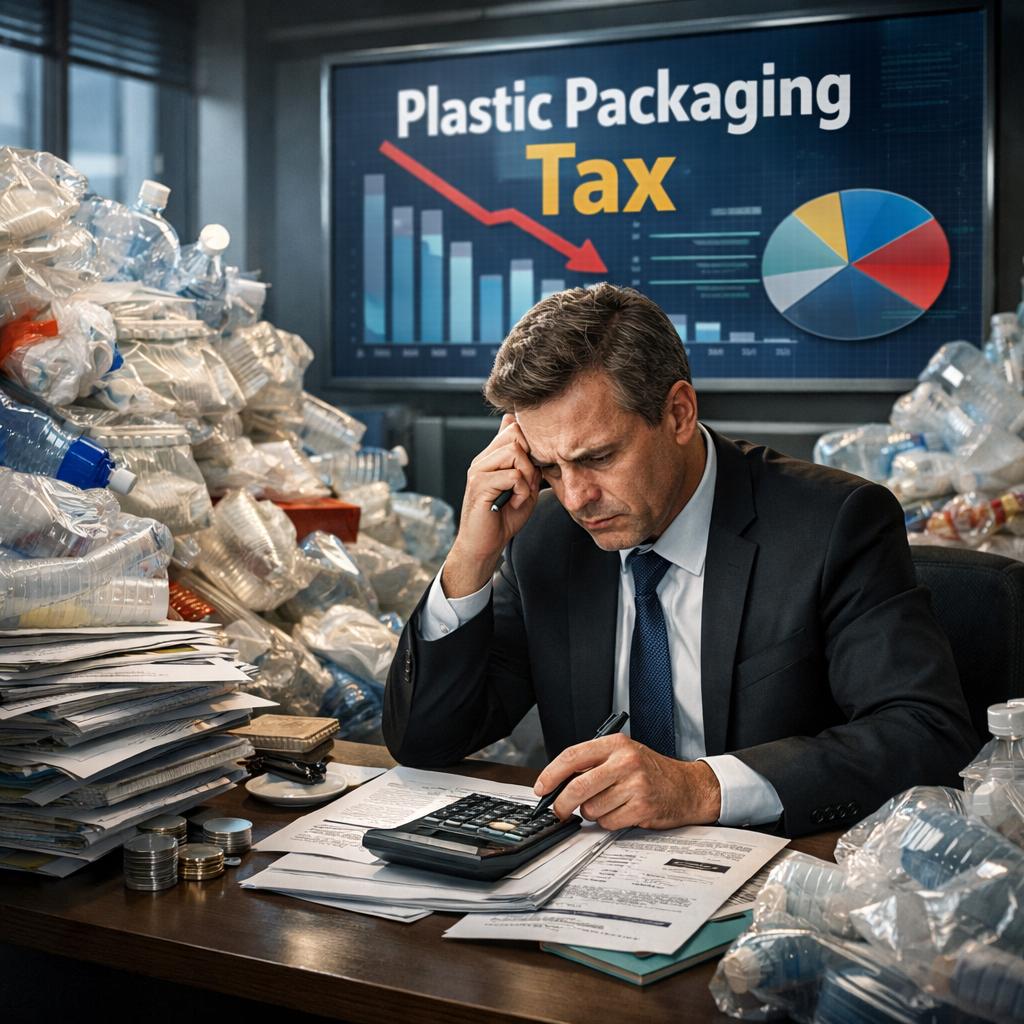
If you sell packaging in the UK, the Plastic Packaging Tax isn’t just a compliance issue sitting somewhere in the background. It directly affects pricing, specifications, availability, margin, and the quality of the conversations you have with customers.
Most of the problems caused by the tax don’t come from the tax itself. They come from:
- assumptions,
- half-understood rules,
- and sales conversations that stay stuck at unit price.
This guide is written specifically for packaging sales and commercial professionals who need to understand the tax well enough to sell confidently, protect margin, and avoid problems landing back on them six months later.
A Quick Reminder: What the Plastic Packaging Tax Actually Is
The UK Plastic Packaging Tax (PPT) came into force on 1 April 2022.
At a high level:
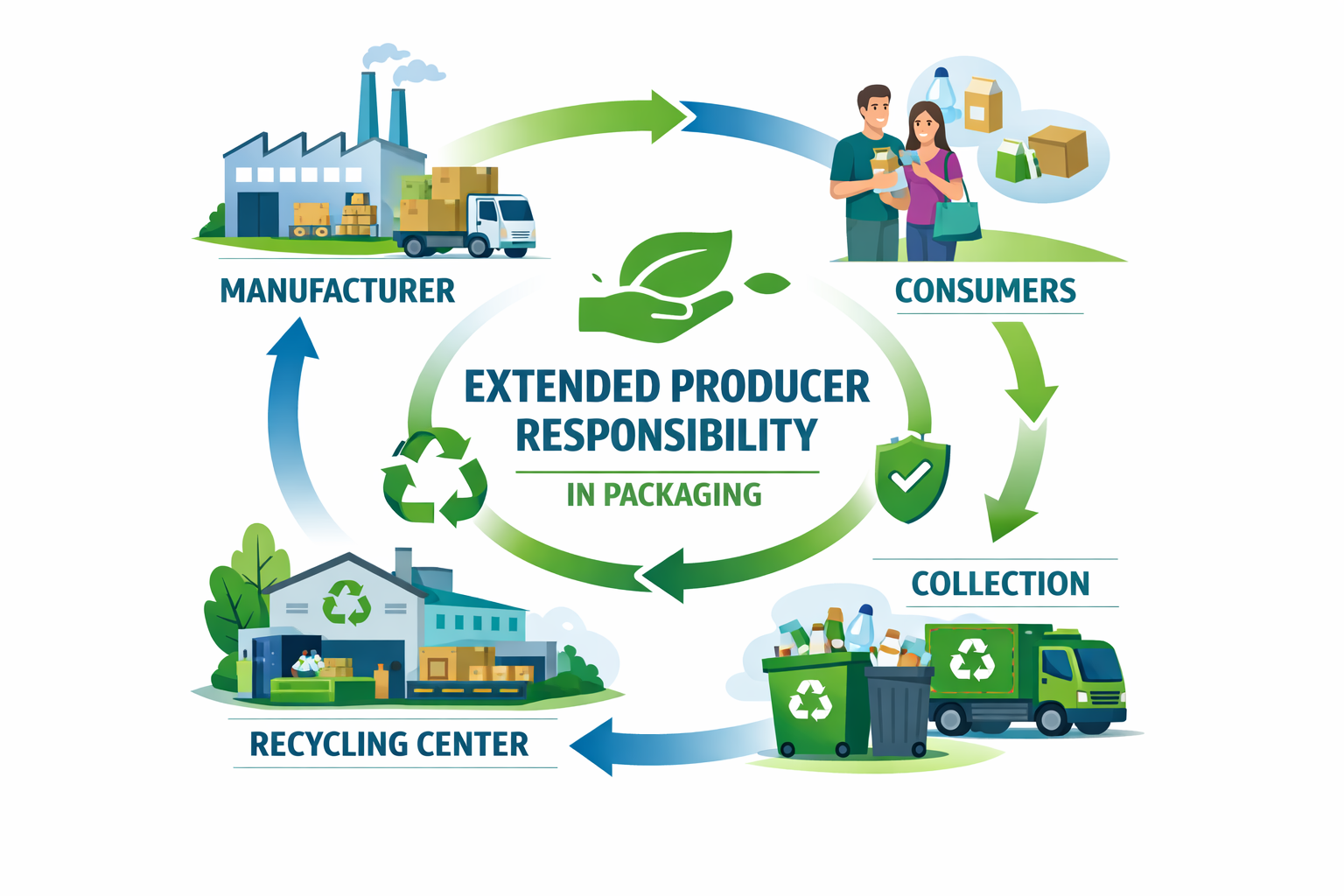
- Plastic packaging with less than 30% recycled content is taxed
- Plastic packaging with 30% or more recycled content is not
The tax applies whether packaging is:
- Manufactured in the UK, or
- Imported into the UK (including packaging already filled with product)
As a sales professional, the key thing to understand is this:
👉 this tax doesn’t sit neatly outside your role — it changes the commercial reality of what you’re selling.
Why This Matters in a Sales Context
From a sales point of view, Plastic Packaging Tax has quietly changed three things:
- What “cheap” packaging really means
- How specifications need to be discussed
- Where commercial risk now sits
If you’re still quoting and selling packaging as if PPT is someone else’s problem, you’re exposed — commercially and reputationally.
Who Is Actually On the Hook?
This is one of the most important points for salespeople to understand clearly.
Responsibility for the tax generally sits with:
- UK manufacturers (for packaging they manufacture), and
- Importers (for packaging they bring into the UK)
That includes filled packaging.
So if your customer imports product in plastic packaging, PPT may land with them — even if they’ve never thought about packaging tax before.
As a salesperson, being able to explain this clearly builds immediate credibility.
The 10-Tonne Threshold (Salespeople Should Know This)
A business must generally register for Plastic Packaging Tax if it manufactures or imports 10 tonnes or more of finished plastic packaging components in a rolling 12-month period.
Two sales-relevant points:
- Registration can be required even if no tax is ultimately payable
- Smaller customers are often the least aware — and the most exposed
This is often the moment when a sales conversation shifts from “price” to “risk”.
What Counts as Plastic Packaging (From a Selling Perspective)
Plastic packaging includes any packaging component that is:
- Predominantly plastic by weight, and
- Used to contain, protect, handle, deliver, or present goods
This isn’t just about obvious items like trays or films. It includes components.
For sales professionals, the danger zone is multi-material packaging.
If plastic is the largest single material by weight in a component, that component may be treated as plastic for tax purposes — even if it doesn’t look like a “plastic pack”.
This is where assumptions cost money.
The 30% Recycled Content Rule: Where Specs Start to Matter
On paper:
- 30%+ recycled content = no tax
- Below 30% = tax applies
In practice, this means:
- Recycled content claims need backing up
- Specs need to be stable and traceable
- “Equivalent” substitutions are no longer commercially neutral
From a sales point of view, this changes how casually specs can be altered.
A small material change can push a pack below the threshold — and suddenly your quote looks very different.
What Happens When This Isn’t Handled Well
When Plastic Packaging Tax isn’t understood properly at the sales stage, the fallout usually looks like this:
- A price that no longer stacks up
- A customer questioning who should pay
- Margin being squeezed to “make it right”
- Trust taking a hit
None of that shows up on the original quote.
Current Tax Rates (Useful for Commercial Context)
The Plastic Packaging Tax rate is reviewed annually:
- £217.85 per tonne from 1 April 2024
- £223.69 per tonne from 1 April 2025
You don’t need to memorise the number — but you do need to understand that:
👉 this isn’t static, and it compounds over volume and time.
How Smart Salespeople Are Using PPT Properly
The best sales conversations don’t treat PPT as a problem to dodge. They use it as a framework for better decisions.
That means:
- Talking about recycled content early
- Being clear about performance trade-offs
- Framing packaging as total cost, not unit price
Often, a slightly higher-cost solution that performs reliably and avoids downstream issues is cheaper overall — tax or no tax.
That’s a value conversation, not a compliance one.
What This Means for Packaging Sales Today
Plastic Packaging Tax has shifted the role of the packaging salesperson slightly.
You’re no longer just quoting:
- a spec,
- a price,
- and a lead time.
You’re increasingly expected to:
- understand implications,
- explain trade-offs, and
- help customers avoid problems they haven’t spotted yet.
Salespeople who can do that will protect margin and build trust. Those who can’t will keep firefighting.
Final Thought
Plastic Packaging Tax isn’t going away, and it isn’t just a regulatory footnote. It’s now part of the commercial fabric of packaging sales in the UK.
Understanding it well enough to sell intelligently — not just comply — is becoming a core skill.
That’s exactly the kind of thinking Packaging Sales Pro is here to support.